What could go wrong · The will that changed in the hospital
Three weeks before he died
What happened
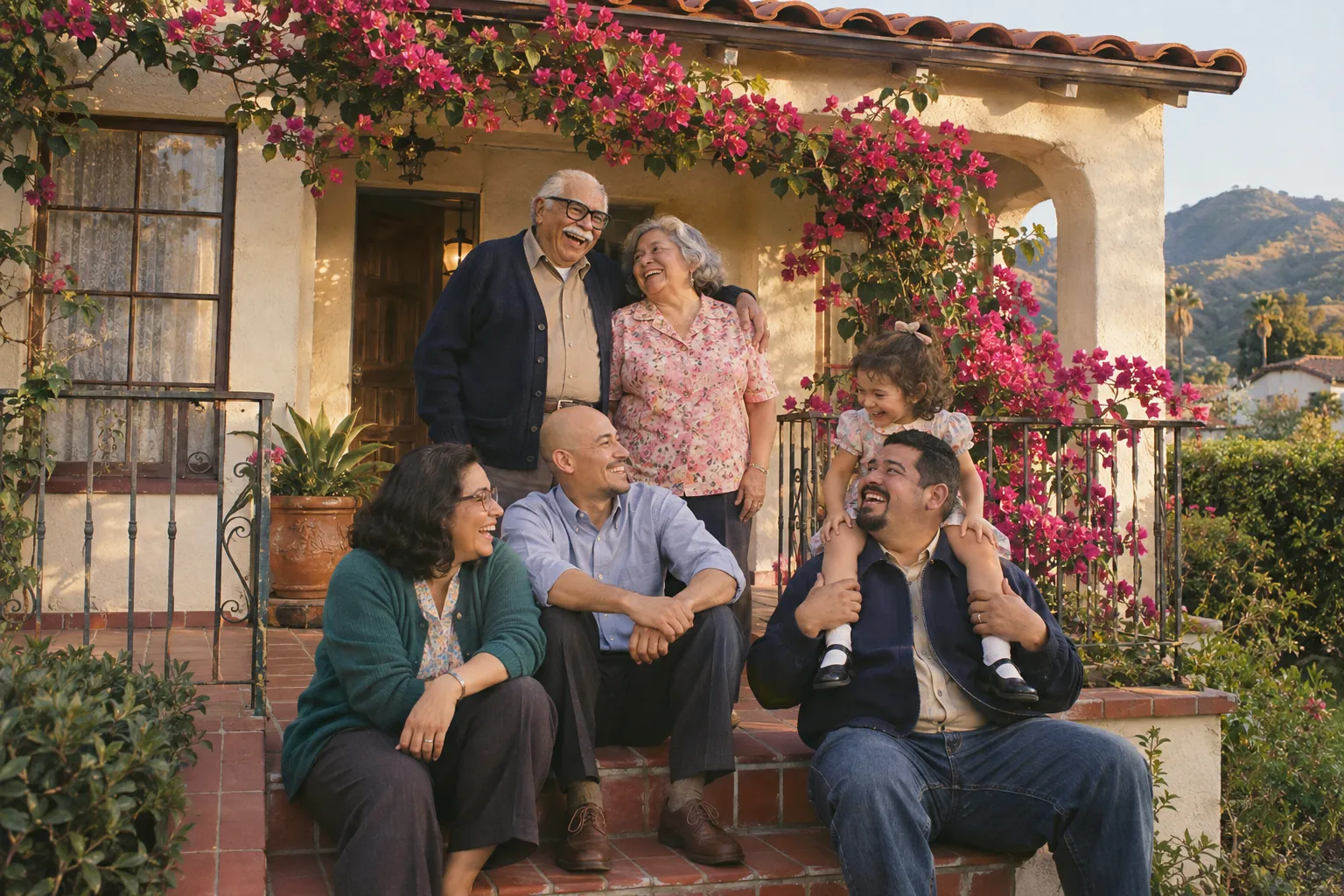
Walter had been a machinist at an aerospace plant in Burbank for thirty-one years. He raised three children in a stucco house in Glendale, buried his wife in 2018, and told anyone who asked that the house would go to “the three of them, even, like always.” He had a will that said so, signed in 2012.
In March, after a fall, the doctors found a cancer that had spread. Walter spent most of his last month in a hospital room on the fourth floor. His youngest son, Luis, lived closest and was there every evening. Luis’s wife brought a laptop one night. Walter, she said, wanted to “take care of Luis for everything he’s done.” She typed a new will from a template, Walter signed it propped up in bed, and Luis and a night-shift aide signed as witnesses.
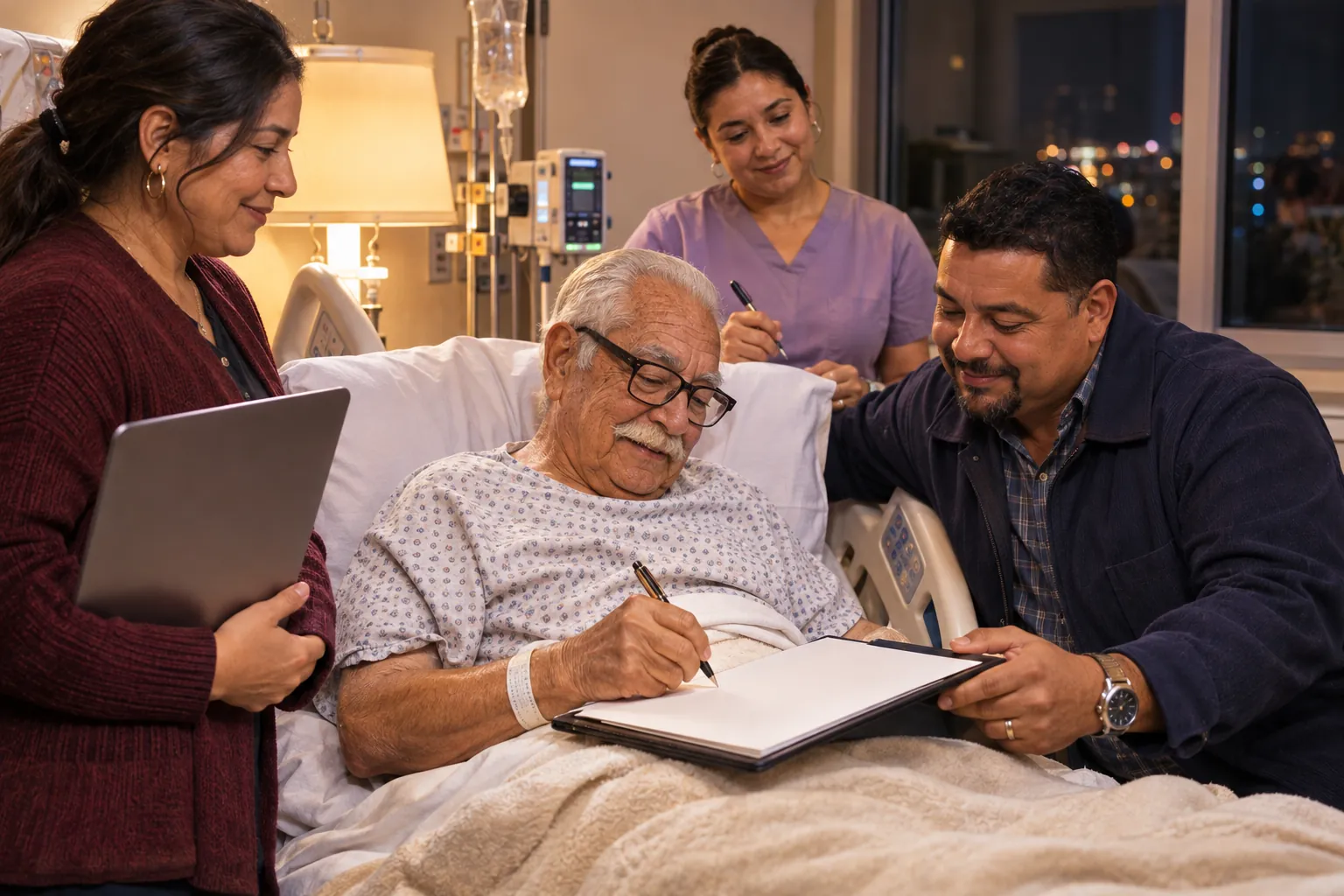
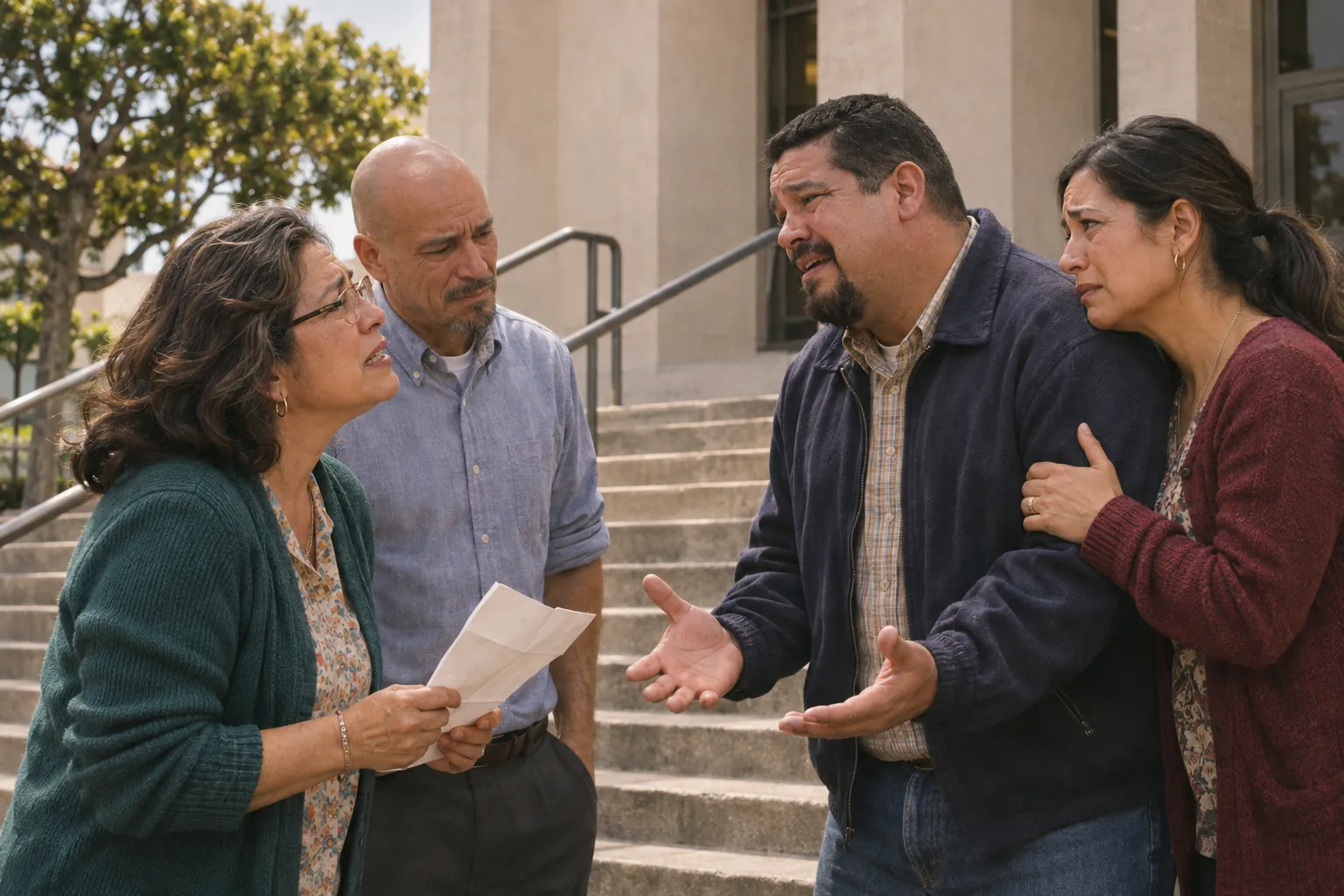
The new will left the house to Luis and the savings to all three. Walter died three weeks later. His daughter in Fresno and his son in Phoenix learned about the hospital will when Luis filed it for probate.
Walter may well have meant it. He was alert, he knew his children, and Luis had carried most of the load. But the will was typed by the beneficiary’s wife, witnessed by the beneficiary himself, and signed in a hospital bed on pain medication. Every one of those facts became a question for a judge.
Which holes lined up
- A plan changed at the very end. Late changes are the ones families fight about most, because the person who could explain them is gone.
- The beneficiary was a witness. In California, when a will gives a gift to one of its witnesses and there aren’t two other disinterested witnesses, the law presumes the witness got the gift through undue influence, and the witness must prove otherwise (Probate Code section 6112).
- Typed by family, from a template. No lawyer met with Walter alone. Nobody asked him, without Luis or his wife in the room, what he wanted and why.
- Medicine and a hospital bed. Capacity is judged by what Walter understood the day he signed (Probate Code section 6100.5). Pain medication doesn’t erase it, but it makes it a question.
- Two children far away. They heard about the change from a court filing.
The one decision that would have changed it
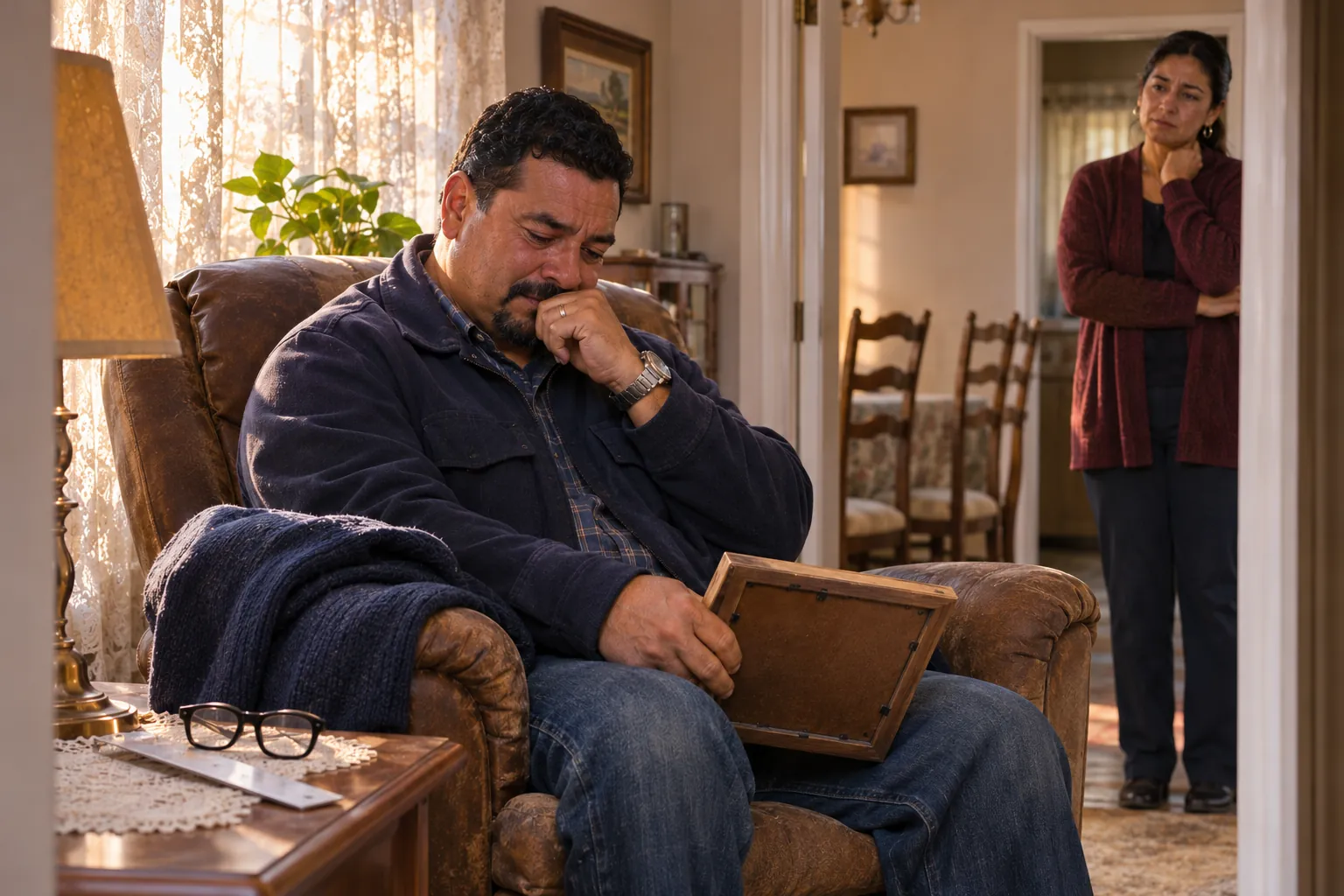
Walter’s one decision was to wait. He knew for years that Luis was doing more, and he talked about “taking care of him” long before the fall. If he had changed his plan the year before, at a lawyer’s office, while he was well, there would have been nothing to fight about.
A parent in the hospital who wants to change a will? Call John before anyone types a new one.
Call John: (310) 735-9877
What would have headed it off
Planning while well
A plan reviewed every few years, and whenever the family picture changes, catches the wish to reward a helping child while the parent is healthy. That review is a short appointment. A deathbed will is a lawsuit waiting to happen.
If it must happen in the hospital
Sometimes a change truly can’t wait. Then it should be done by a lawyer who comes to the hospital, meets with the parent alone, and uses two witnesses who receive nothing under the will. A short note from the attending doctor on the same day, describing how alert the patient is, helps too.
Wording that predicted the trouble
If Walter wanted Luis to have the house because of the care he gave, the will could have said so in plain words: why, and what the other two would receive instead. A reason written down is far harder to argue with than a change without one.
The family told, and on board
His daughter in Fresno and his son in Phoenix could have joined by video from the hospital room. On a recorded call, with everyone’s permission, each person says their name and where they are joining from. The witnesses in the room are named, and Walter says in his own words what he is doing and why. The signing itself still happens the proper way: a California will needs two witnesses present at the same time (Probate Code section 6110). The recorded call is the family hearing it; it never replaces the signing.

What the plan would have done
With a plan reviewed the year before, Walter would have changed his will at a lawyer’s desk, sitting up in his own clothes, with two witnesses who had no stake in it. His reasons for giving Luis the house would have been written into the will itself. His daughter and his other son would have heard it from him on a video call while he could still answer their questions.
When he died, the will would have gone through probate as the plain record of what he wanted, and three grown children would have grieved their father together instead of meeting in a courtroom.
Questions to ask an estate-planning attorney
- If I want to reward the child who helps me most, how should my plan say that?
- How often should we review my plan, and what changes should send me back sooner?
- If I ever need to change my will in the hospital, how would you do it?
- Who should not be a witness to my will?
- Would a note from my doctor help if my health is failing when I sign?
- Should I explain my reasons in writing?
- How can my children who live out of state hear the plan from me?
The page that would have changed this story
The cure for a deathbed will is a plan made long before. John’s wills page covers how a will is made and witnessed, and the health care directive page covers the decisions to settle while you can still speak for yourself. Back to all 12 stories.
Send this to your sister or brother: Email · Text
Families like this one also read:

From the library of John J. Donahue, Attorney · State Bar No. 145817 · Los Angeles since 1990
A parent in the hospital who wants to change a will? Call John before anyone types a new one.
Already in a fight over a will or trust? → myinheritance.com
This page is general information, not legal advice. Every family’s facts are different; talk with an estate-planning attorney about yours.