What could go wrong · A diagnosis and a signature
The signature in the hard season

What happened
Frank was eighty-one, and every Saturday his grandson drove him to the hardware store in Torrance. His wife had died years before. His daughter lived in Portland. His older son had moved to Austin for work. His younger son, Danny, lived fifteen minutes away, and Danny was the one who noticed first: the bills paid twice, the burner left on, the story told three times in one lunch.
In the spring, a neurologist wrote “mild cognitive impairment, likely early Alzheimer’s” in Frank’s chart. Danny started driving him to appointments. He set up the pill organizer. He took over the checkbook, because somebody had to.
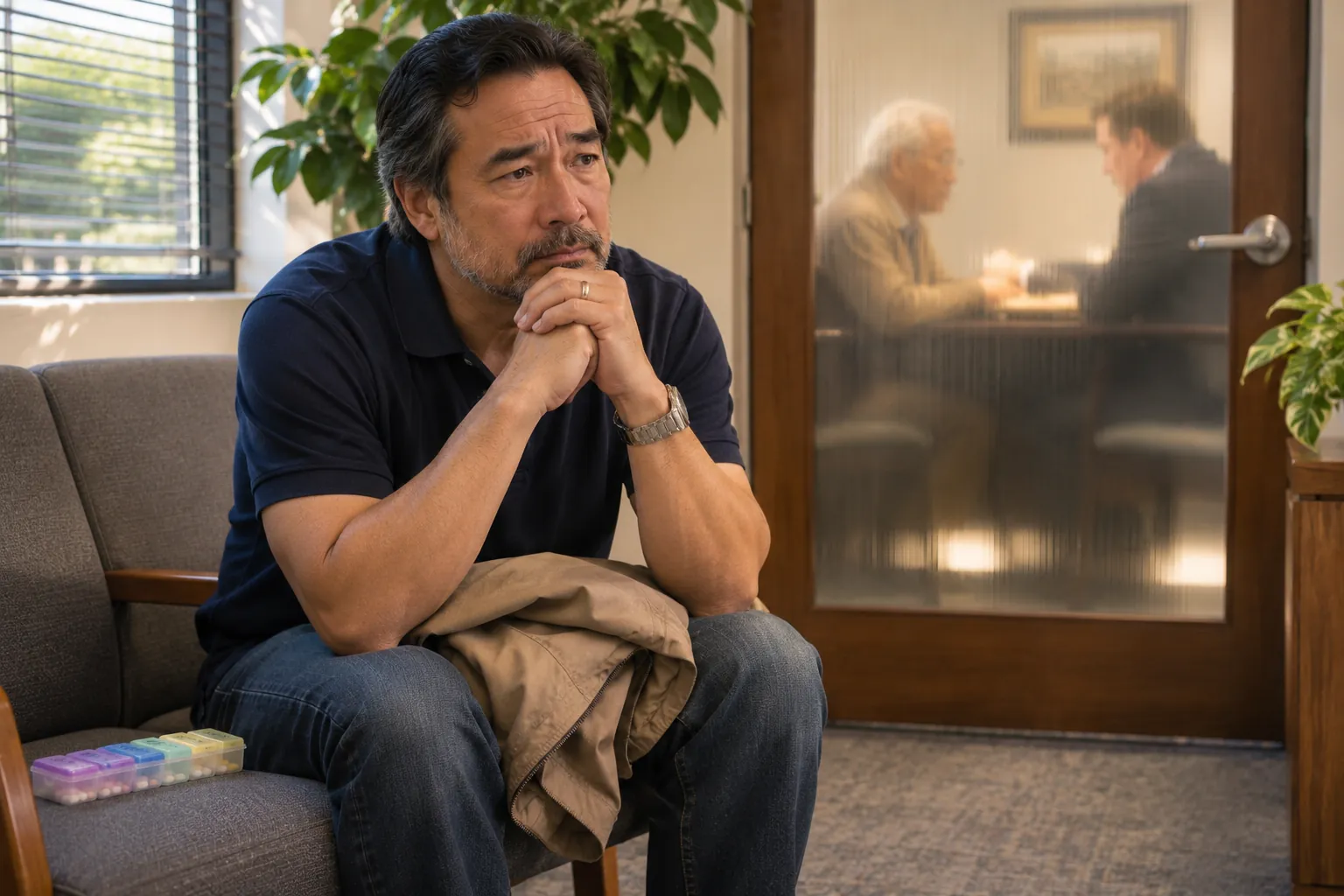
That summer, Frank signed an amendment to his trust. Danny found the lawyer, drove Frank to the office and waited in the lobby. The amendment left the house to Danny, “in recognition of his care,” and split the rest three ways. It also made Danny the sole trustee, replacing all three children acting together.
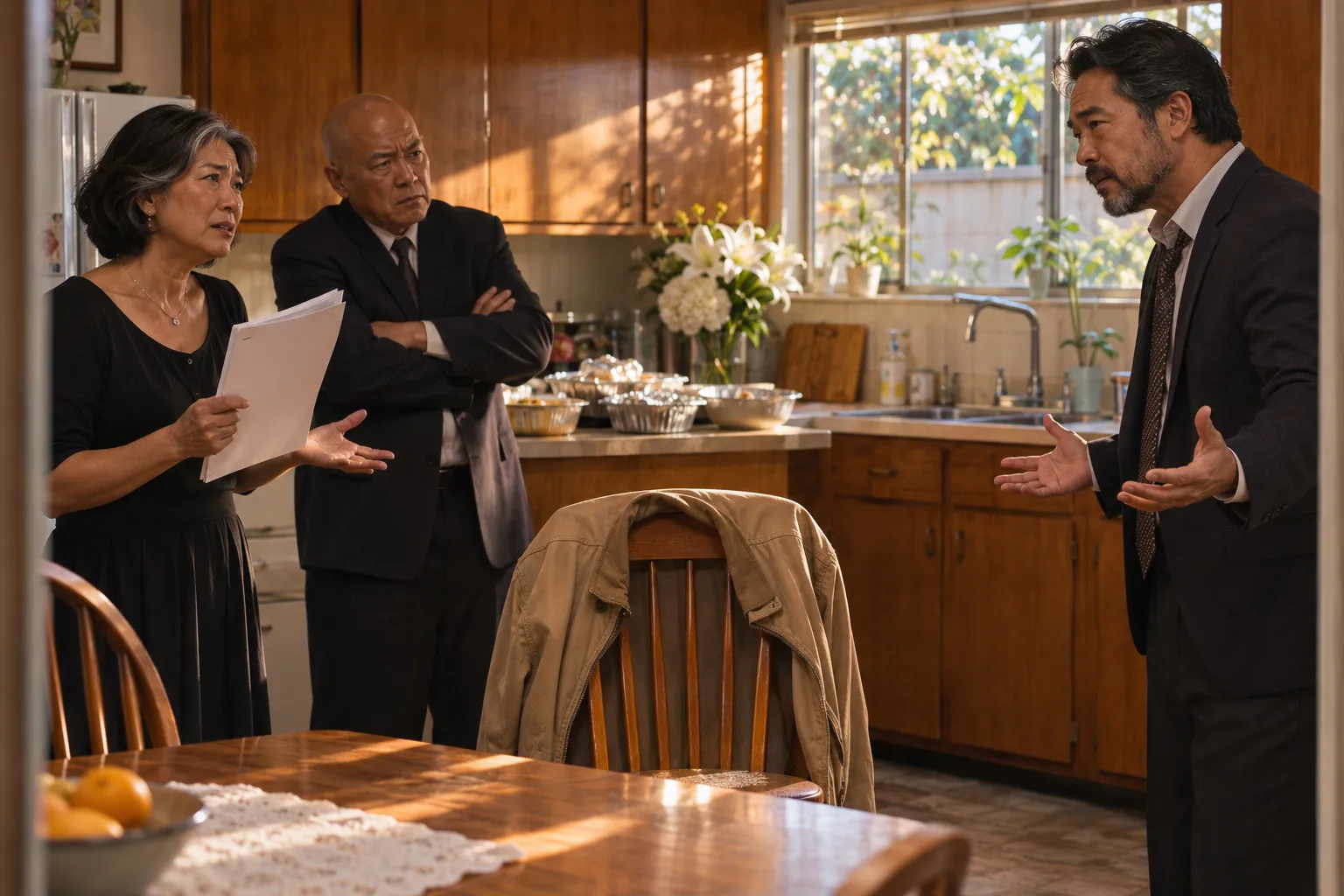
Frank’s daughter heard about the amendment at the funeral two years later. His older son heard about it from her. Neither of them had been told Frank had a diagnosis until well after the fact. To them, the timeline read like a takeover. To Danny, it read like two years of unpaid nursing that his brother and sister had watched from a distance. Both sides believed they were defending their father. It took a judge to settle it.
Which holes lined up
- Children in other states. The two who were far away had no window into Frank’s days, and learned everything secondhand.
- One child who did all the helping. Danny’s care was real. So was the appearance it created when the plan changed in his favor.
- A diagnosis and a signature in the same season. A memory diagnosis does not, by itself, mean a person cannot sign a will or amend a trust. California law starts from the presumption that adults have capacity. But the diagnosis gave the others a reason to question it, and nobody had documented how Frank was doing on the day he signed.
- The helper arranged the lawyer. When the person who benefits finds the lawyer and drives the parent to the meeting, a court will look closely at whether the change was the parent’s own idea.
- No explanation in Frank’s own words. Frank may well have wanted to thank Danny. Nothing he left behind said so.
- No one else holding the checkbook. With Danny alone handling Frank’s money, every payment became a question later.
The one decision that would have changed it
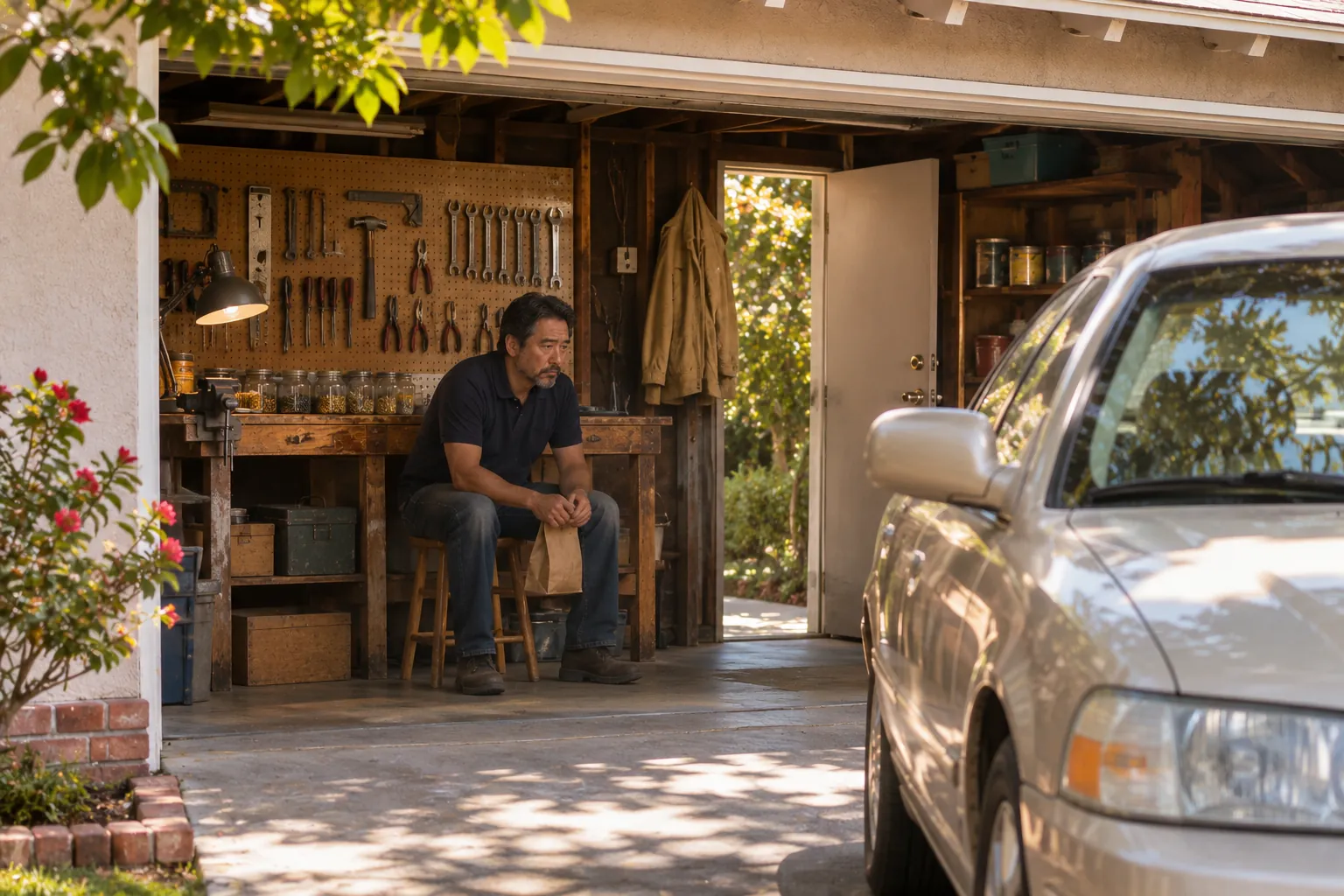
Frank’s one decision was when to sign. He amended his trust the summer after his diagnosis. Signed while he was clearly well, with a lawyer he chose himself and no one else arranging the visit, the same gift to Danny would have read as thanks, not a takeover.
A parent with a new diagnosis, and one child doing the driving? John can talk through how to sign a plan that holds up later.
Call John: (310) 735-9877
What would have headed it off
Planning before the hard season
The strongest protection was time. A durable power of attorney and an advance health care directive, signed years earlier while Frank was clearly well, would already have said who handles money and medical decisions if he could not. Frank could have named two of his children to serve together, or named one and asked for a regular accounting to the others. If a change to the trust was coming, the time to make it was before the diagnosis, not after.
Wording that predicted the trouble
Families with one nearby helper and others far away can plan for exactly that. The trust can say, in plain words, that a child who provides care may be paid a reasonable amount for it, or may receive a larger share, and why. Written in advance, that is a decision. Written after the diagnosis, it looks like a reward someone asked for.
A signing that proves itself
When a change is made late in life, the way it is made matters as much as what it says. Frank should have met with the lawyer alone, without the child who benefits in the room or arranging the visit. The lawyer can ask questions that show Frank knew what he owned, who his children were and what the change did. A letter from his doctor, written close to the signing, can describe how he was doing that month. For some kinds of gifts, such as a gift to a caregiver, California law presumes undue influence unless a separate, independent attorney reviews the plan with the person alone and signs a certificate. A family member is often exempt from that rule, but the same habit, an independent review, protects everyone.
The family told, and on board
The day the plan changed, all three children could have heard it from Frank himself. His daughter in Portland and his son in Austin could have joined by video. On a recorded call, with everyone’s permission, each person says their name and where they are joining from. A witness in the room with Frank is named on the recording. Then Frank says, in his own words, what he is doing and why. A recording does not make a weak document strong, and it is not a substitute for a proper signing. But it is very hard to argue, two years later, that Frank never meant it when everyone heard him say so.
The signing itself still happens the proper way. In California a will needs two witnesses present at the same time. Trust papers are normally signed in person and notarized. The video call is for the family, not in place of the formalities.

Questions to ask an estate-planning attorney
- If a parent has a memory diagnosis, can they still sign a will or change a trust? What will you do to show they understood it?
- Should you meet with our parent alone? Who should not be in the room?
- Would a letter from their doctor near the signing date help? What should it say?
- If one of us is the main caregiver, how can the plan recognize that fairly, in writing, before anyone has to argue about it?
- Who should hold the power of attorney? Should two of us serve together, or should one of us report to the others?
- How can our siblings who live out of state be part of the conversation while our parent is still able to explain it?
- If there is a recorded family call, what should be on it, and what should not?
The pages that would have changed this story
The documents that matter most in a story like Frank’s are the ones signed before the hard season starts. Start with the durable power of attorney page and the health care directive page, then the living trusts page for how a trust is set up and changed. Back to all 12 stories.
Send this to your sister or brother: Email · Text
Families like this one also read:
From the library of John J. Donahue, Attorney · State Bar No. 145817 · Los Angeles since 1990
A parent with a new diagnosis, and one child doing the driving? John can talk through how to sign a plan that holds up later.
Already in a fight over a will or trust? → myinheritance.com
This page is general information, not legal advice. Every family’s facts are different; talk with an estate-planning attorney about yours.