What could go wrong · The papers that did not match
The house that slipped out of the trust

What happened
Bob and Marlene bought their house in Whittier in 1979 and raised two daughters there. In 2004 they signed a living trust. The lawyer recorded a new deed putting the house into the trust, and they kept the binder on the top shelf of the hall closet. They told the girls, more than once, that there would be no probate.
In 2016, after Marlene died, Bob refinanced to fix the roof and replace the plumbing. The lender asked him to take the house out of the trust for the loan and sign it back to himself. He did. The title company handled it, the loan closed, and nobody mentioned putting the house back.
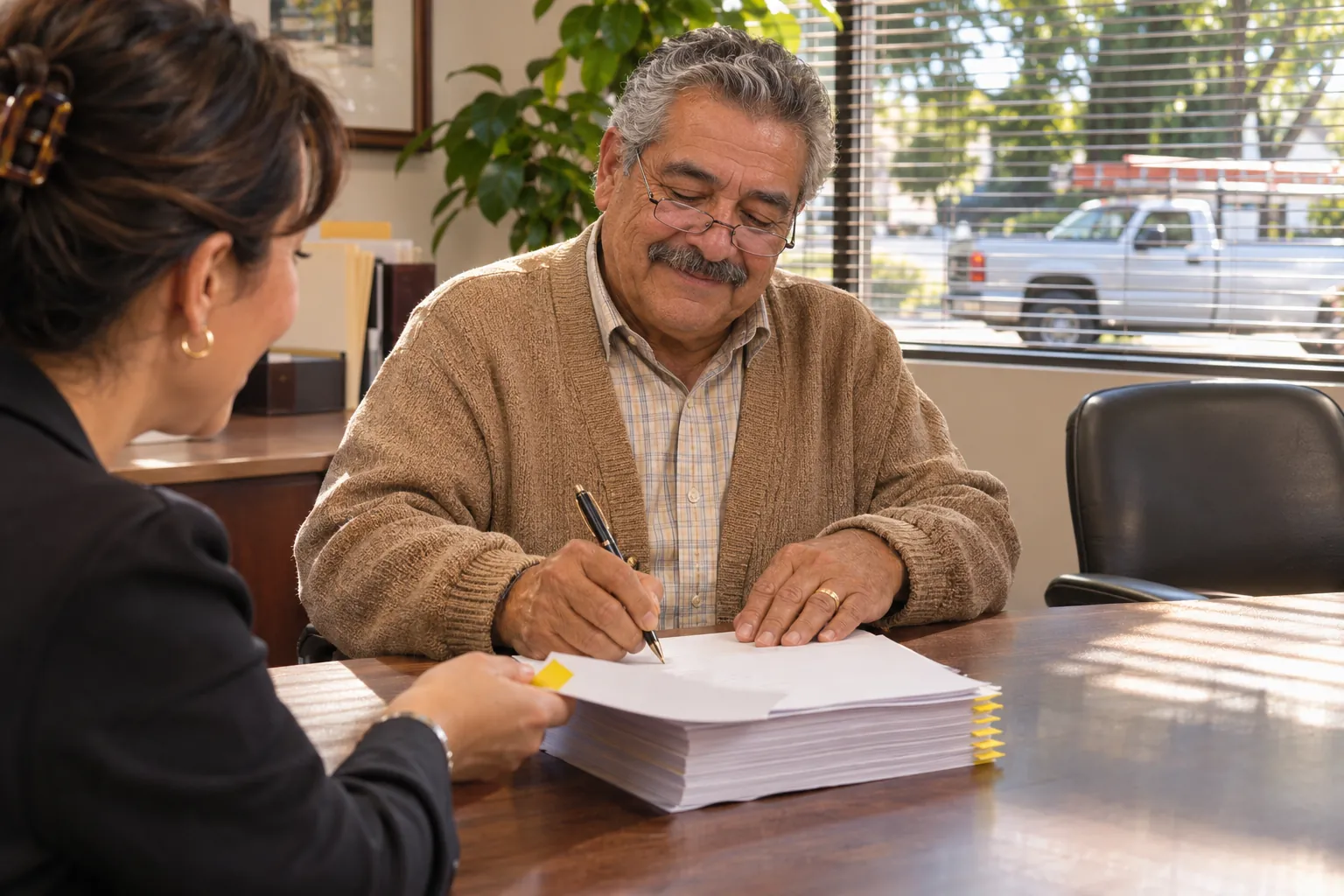
Bob died in 2025. When his older daughter called a title company, she learned that the house was in Bob’s own name, not the trust’s. The younger daughter then found a will in his dresser drawer. It was dated 1991, from before the trust, and it named an old friend of Bob’s as executor, a man neither of them had spoken to in twenty years.
The binder said one thing. The deed said another. A thirty-year-old will said a third. The two sisters had always gotten along. They now disagreed about which lawyer to call, who should be in charge and whether the friend had any say. A plan that was supposed to keep them out of court sent them there.

Which holes lined up
- A trust controls only what is in it. The trust was valid. The house just was not titled in its name when Bob died.
- A refinance that took the house out. Some lenders ask for this. Putting the house back is a separate step, and it is easy to miss.
- A binder nobody opened. Bob assumed the trust took care of itself. Nobody compared the papers in the binder to the deed on record.
- An old will, found late. The 1991 will had never been revoked in writing. Its executor was a stranger to the family.
- A plan explained, but never shown. The daughters knew there was a trust. They did not know where the papers were, who the lawyer was or what the house’s title said.

The one decision that would have changed it
Bob’s one decision was at the 2016 refinance. One recorded deed putting the house back into the trust would have kept the promise he and Marlene made to their daughters.
Refinanced since you made your trust? John can check whether your house is still in it.
Call John: (310) 735-9877
What would have headed it off
Papers that match the plan
The fix is unglamorous. After any refinance, sale, purchase or move, someone checks the deed and the accounts against the trust. If the house came out for a loan, a new deed puts it back, and that deed is recorded with the county. The same check applies to bank accounts, brokerage accounts and the beneficiary forms on retirement accounts and life insurance. A short list in the front of the binder, updated whenever something changes, makes the check easy.
Wording that predicted the trouble
A well-made trust plan usually includes a “pour-over” will, which sends anything left outside the trust into it. A new will also says plainly that it revokes every earlier one. Had Bob signed both when he signed the trust, the 1991 will would have had nothing left to say, and the friend would never have been part of the story.
Wishes made clear, and papers found
Both daughters could have known where the binder was, who the lawyer was, and that the binder held the only current papers. Old wills, once replaced, can be destroyed in the way the lawyer recommends, so no one finds a stale one in a drawer.
The family told, and on board
A family meeting after the refinance, even an informal one, would have been a natural moment to ask whether the house was still in the trust. If one daughter lived out of state, she could have joined by video. Ten minutes of “here is the binder, here is the deed, here is who to call” saves months later.

If it has already happened
California does offer ways to repair a house that was meant to be in a trust but was not. A court can sometimes confirm that a property belongs to the trust when the trust papers clearly show the owner intended it. For deaths on or after April 1, 2025, a primary home worth up to $750,000 may pass to heirs through a shorter court petition instead of a full probate. Both routes take time, court filings and proof, and neither one is guaranteed. They are fallbacks. The trust was supposed to make them unnecessary.
Questions to ask an estate-planning attorney
- After you prepare the trust, who records the deed putting our house into it? Will I get a copy of the recorded deed?
- If we refinance, what do we need to do so the house ends up back in the trust?
- Which of our accounts should be in the trust, and which should name beneficiaries instead?
- Does our plan include a pour-over will, and does it revoke our older wills?
- What should we do with our old wills once the new plan is signed?
- How often should we have the plan reviewed, and what life events should send us back sooner?
- What should our children know now about where the papers are and who to call?
The page that would have changed this story
A trust is only as good as what is in it. John’s living trusts page explains how a trust is set up and funded. The wills page covers the pour-over will that catches what a trust misses. Back to all 12 stories.
Send this to your sister or brother: Email · Text
Families like this one also read:

From the library of John J. Donahue, Attorney · State Bar No. 145817 · Los Angeles since 1990
Refinanced since you made your trust? John can check whether your house is still in it.
Already in a fight over a will or trust? → myinheritance.com
This page is general information, not legal advice. Every family’s facts are different; talk with an estate-planning attorney about yours.